
 Dylan Borden
Smart IT for Nonprofits: Stretch Resources Don't Stretch Your Team
 Dylan Borden : Nov 17, 2025, 8:00:00 AM
Explore how Smart IT for Nonprofits empowers organizations to strengthen communities, improve efficiency, and create lasting impact.

Running a nonprofit means balancing big goals with small budgets. Discover how nonprofits are saving time, improving collaboration, and strengthening security using free and discounted Microsoft tools .
Running a nonprofit means balancing big goals with small budgets. Discover how nonprofits are saving time, improving collaboration, and strengthening security using free and discounted Microsoft tools.
Running a nonprofit isn’t easy.
You’re expected to do more with less: less time, less budget, and often, less tech support. But what if your IT setup could actually give you time back?
Smart, simple technology can lighten your team’s load, reduce burnout, and help you deliver impact faster. Here are five IT strategies that help nonprofits work more efficiently, stay secure, and keep their mission at the center.
Modern nonprofits are moving to Microsoft 365 for Nonprofits for a reason. It brings everything your team needs—email, file sharing, meetings, and collaboration—into one secure, easy-to-use platform. No more juggling separate tools or wondering who has the latest version of that document.
According to NTEN’s Cloud Computing for Nonprofits Guide, organizations that adopt cloud platforms report better collaboration, less downtime, and improved data management. That’s valuable time your team can spend serving your community instead of fighting with technology.
Microsoft 365 for Nonprofits also includes Teams, OneDrive, and SharePoint, so your staff and volunteers can work together from anywhere. Files stay updated in real time, and permissions are managed automatically, keeping sensitive donor or client data secure.
If you’re still relying on local servers or shared drives, consider starting with just one department, like fundraising or operations, and expanding once your team sees how much smoother things run.
Learn more about Microsoft Nonprofit Solutions.
Let’s talk about how the right IT setup can help your nonprofit do more with less.

AI might sound like a buzzword, but it’s already changing how nonprofits work every day. Tools like Microsoft Copilot integrate directly into familiar programs like Word, Excel, Outlook, and Teams to help your staff save time and reduce stress.
Imagine automatically summarizing meeting notes, drafting emails, or pulling data from a spreadsheet without lifting a finger. AI can handle those repetitive tasks, giving your team more time for the work that really matters: building relationships, writing grants, and serving your community.
You don’t need to be tech-savvy to benefit. Copilot learns from your workflow, so even small teams can boost productivity without extra training or software.
Cybersecurity may sound intimidating, but it doesn’t have to be expensive or complicated. Microsoft provides several free security tools for nonprofits that can make a big difference.
Start with Multi-Factor Authentication (MFA). It adds a second layer of protection when logging in, like a text code or phone notification. According to Microsoft’s security guidance, enabling MFA can block over 99% of common account compromise attacks.
Next, use Microsoft Defender for Business to protect your organization from phishing, malware, and ransomware. It automatically scans for suspicious activity so your team can stay focused on their mission.
Lastly, encourage your staff to use Microsoft’s built-in password management and encryption features in 365. These tools keep donor data, financial records, and client information secure without requiring advanced IT knowledge.
If your nonprofit hasn’t reviewed its security setup recently, start here. These small changes can make a big difference in protecting your organization’s reputation and your community’s trust.
Nonprofits that optimize their IT spend more time on impact—not troubleshooting.

It’s common for nonprofits to rely on tools like Dropbox for file sharing and Zoom for meetings, but that patchwork approach often creates more problems than it solves. Files end up scattered across platforms, meetings require extra logins, and managing licenses becomes confusing and costly.
Microsoft 365 offers an easier way. With Teams, OneDrive, and SharePoint, you can store documents, host meetings, chat, and collaborate all in one place. That means fewer passwords, fewer logins, and less time wasted switching between tools.
The best part? Microsoft offers free and discounted nonprofit licenses, so you can streamline your tech stack and save money at the same time. It’s simpler, safer, and better connected.
Before paying full price for software, make sure you’re getting the nonprofit discounts available to you:
Microsoft 365 for Nonprofits provides productivity tools like Teams and SharePoint at no cost or at deep discounts.
Google for Nonprofits offers free access to Workspace and Ad Grants.
Always check directly with the vendor’s nonprofit eligibility page to ensure you’re getting the maximum benefit.
Smart IT doesn’t mean starting from scratch or stretching your budget. It’s about choosing tools that make your team more efficient and your mission easier to achieve.
When your technology runs smoothly, your staff can focus on what matters most: serving your community and advancing your mission.
 Dylan Borden : Nov 17, 2025, 8:00:00 AM
Explore how Smart IT for Nonprofits empowers organizations to strengthen communities, improve efficiency, and create lasting impact.
 Dylan Borden : Apr 6, 2026, 8:15:00 AM
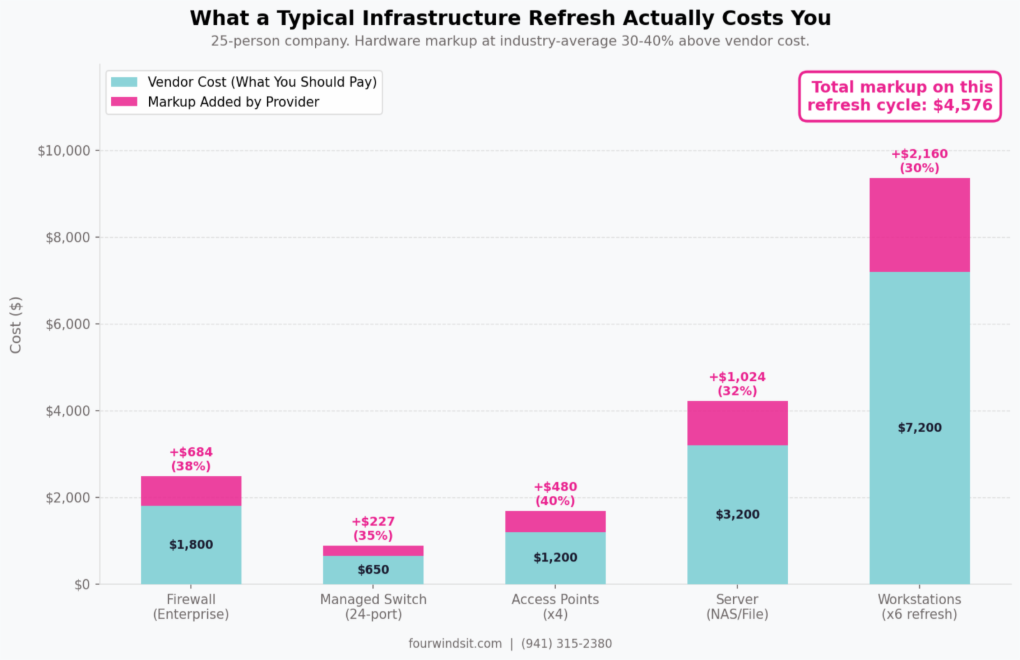
Businesses assume they own their network infrastructure. Many don't. Here's how IT equipment rentals and markup work & how to find out what's you own.
 Dylan Borden : May 30, 2023, 1:59:57 PM
What managed IT services include, how they're priced and the questions to ask before you sign a managed IT contract.
